
In May 2026, Kulturanova is brining the project “Fostering Museum Engagement with Young Adults” to an end. The project was supported Headley SEECH Fund 2024 call. The project set out to answer a simple but urgent question: how do you make museums relevant to young people today?
The answer the project pursued was gamification — the application of game design elements and principles to non-game contexts. Over the course of the project, museum professionals from Serbia and Montenegro were trained, mentored, and supported to develop interactive, participatory, and youth-oriented museum programmes that go far beyond the traditional guided tour.
The Challenge
Museums across the Western Balkans face a familiar challenge: young audiences are disengaging. The conventional museum experience — observe, read, do not touch — often fails to connect with the expectations of younger generations who have grown up in interactive, digital environments. At the same time, museum professionals are eager to innovate but often lack the specific tools, frameworks, and confidence to make the leap.
This project was designed to bridge exactly that gap.
How It Worked
The project followed a structured but collaborative methodology, moving from training to practice and from theory to real-world implementation.
It opened with an open call for museum professionals from Serbia and Montenegro, selecting participants who were motivated to experiment with new approaches to audience engagement. Selected participants joined an online training programme built around the principles and practice of gamification in the context of cultural heritage. Working alongside gamification experts and peers from different institutions, they explored both the conceptual foundations and the practical possibilities of game-based museum experiences.
A central output of this training phase was a digital handbook on gamification in museums — produced not as a static document, but as an interactive digital educational activity. Hosted as a learning module on the Novi Sad City of Learning platform, the handbook was designed to be hands-on and practical: users work through examples, complete tasks, and learn by doing — reflecting the same participatory philosophy the project sought to embed in museum practice. This format makes the resource accessible, reusable, and genuinely useful for museum professionals well beyond the immediate group of project participants.
Following the training, participants moved into a mentored development phase, each working with expert support to design a pilot activity tailored to their institution’s collection and audience. The result: five museums and cultural institutions developed and delivered original, gamified programmes for young audiences.
Results on the Ground
Maritime Museum of Montenegro — Kotor
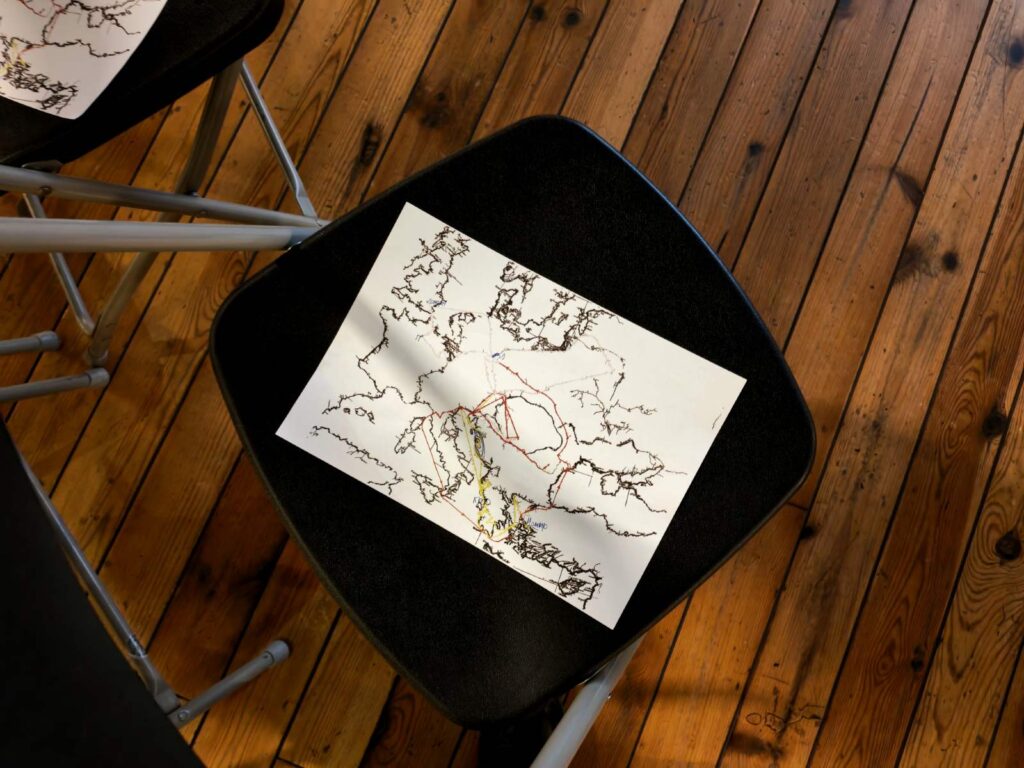
History became a game within the walls of Kotor’s Old City. Participants used maps, QR codes, and riddles to trace the symbols of the Venetian Lion hidden across the historic city’s architecture — a gamified treasure hunt that turned a walk through heritage into a collaborative adventure. The pilot demonstrated that even simple tools can transform cultural heritage into an interactive space of discovery, opening new ways for young people to experience both the museum and the city around them.
Museum of Vuk and Dositej — National Museum, Belgrade
Literary heritage found new life through a series of literary games developed together with curators under the title Peek into the Story (Zaviri u priču). Instead of quizzes or competitions, the workshops offered narrative games, dialogue, and personal engagement with literary works — from exploring the moral dilemmas of fictional heroes to visual interpretation of poetry through drawing. Participants highlighted the relaxed atmosphere and an entirely different relationship with the museum, and the pilot has since sparked ideas for further development, including literary clubs and new programmes bringing young audiences closer to the legacy of Vuk Karadžić.
Natural History Centre, Svilajnac
The Natural History Centre became the setting for an escape room built around the museum’s own exhibits. Visitors solve puzzles and follow clues hidden within the collection, turning a standard museum visit into an investigative mission. The activity was developed by a small team of young curators who worked together to integrate the exhibits into the game. First feedback confirmed what the project had argued all along: existing museum resources can take on entirely new roles and attract new audiences, particularly young people aged 18 to 30.
Museum of Vojvodina — Novi Sad
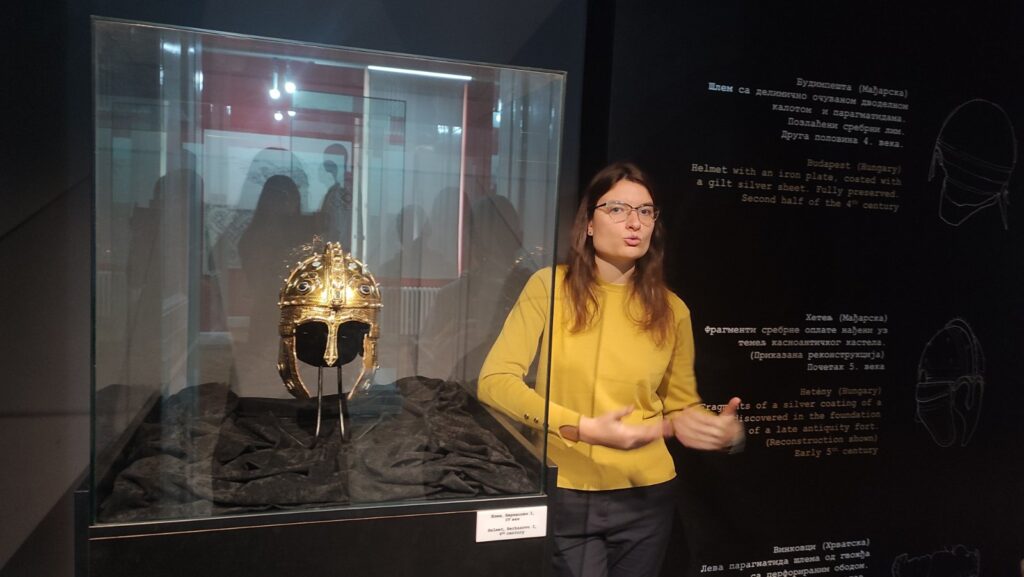
The Museum of Vojvodina introduced a digital game accessible by scanning a QR code at the entrance. The game guides visitors through ten exhibits arranged along a timeline spanning prehistory to the Roman period. Each task unlocks a single letter; only by completing all the challenges does the final museum mystery reveal itself. Young visitors were involved in the game’s development — helping to select which objects would feature — while professional game designers supported the digital realisation. The outcome was more curiosity, more time spent in the museum, and a fundamentally new way of experiencing history.
What the Project Demonstrated
Taken together, the pilot activities confirmed that gamification in museums is not a gimmick — it is a methodology with real potential to transform the relationship between cultural institutions and their audiences. Each of the five pilots showed that existing collections can become the raw material for deeply engaging experiences without major investment; that young people respond powerfully to interactive, collaborative, and narrative-driven formats; and that museum professionals, given the right training and mentoring, can develop and deliver these experiences themselves.
A Resource for the Sector
Beyond the pilot activities, the project leaves behind a freely accessible digital learning resource: an interactive handbook on gamification in museums, available on the Novi Sad City of Learning platform. Designed to be practical and self-directed, the handbook allows museum professionals to learn at their own pace, work through real examples, and apply the approaches directly to their own institutional context — ensuring the project’s impact extends well beyond its immediate participants.