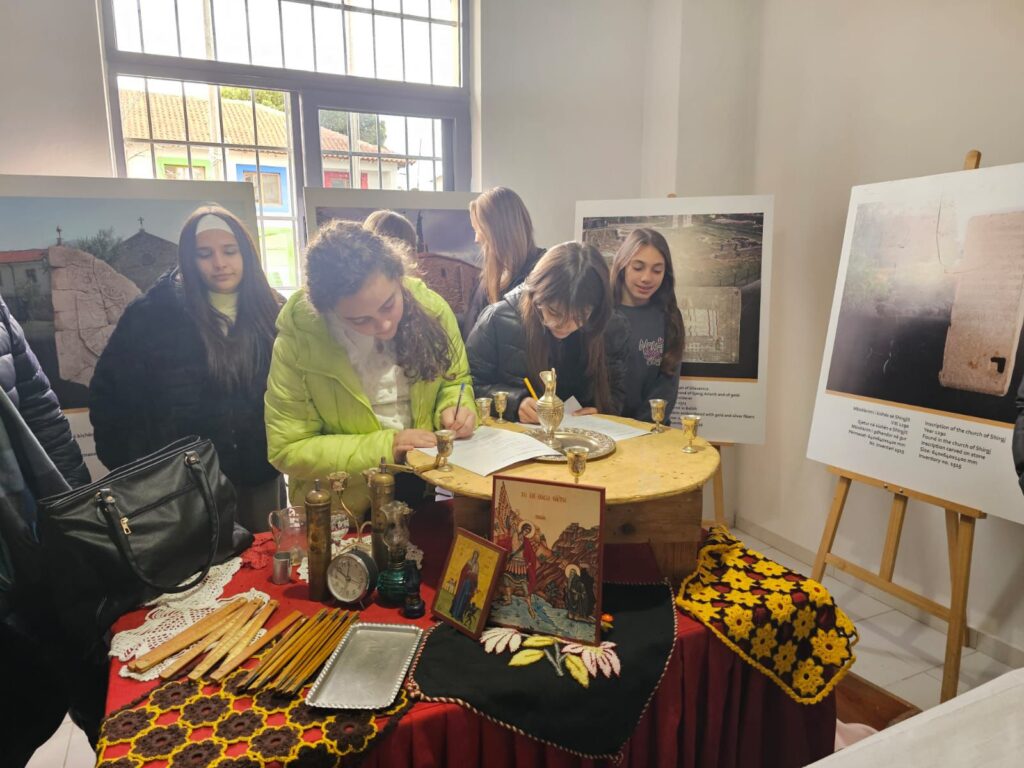
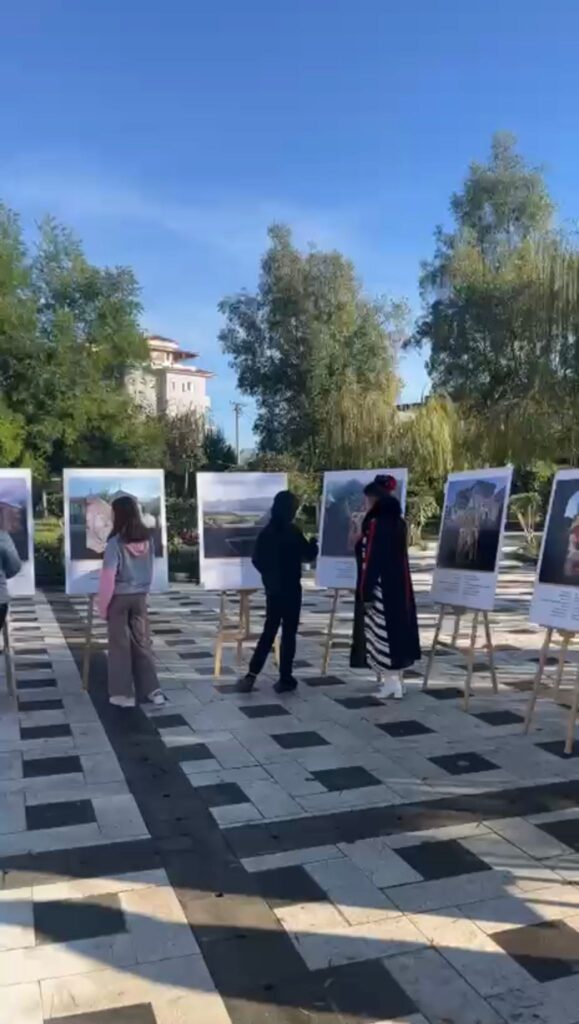
A heritage initiative crossing six rural municipalities is reconnecting young Albanians with objects and stories that survived communism — including a banned legal manuscript preserved in secret for over 90 years. Cultural Nook organisation, in collaboration with the National Historical Museum in Tirana has managed to engage 60+ local actors, 100+ community members, display 60+ heritage objects brought by youth and work with 6 target municipalities.
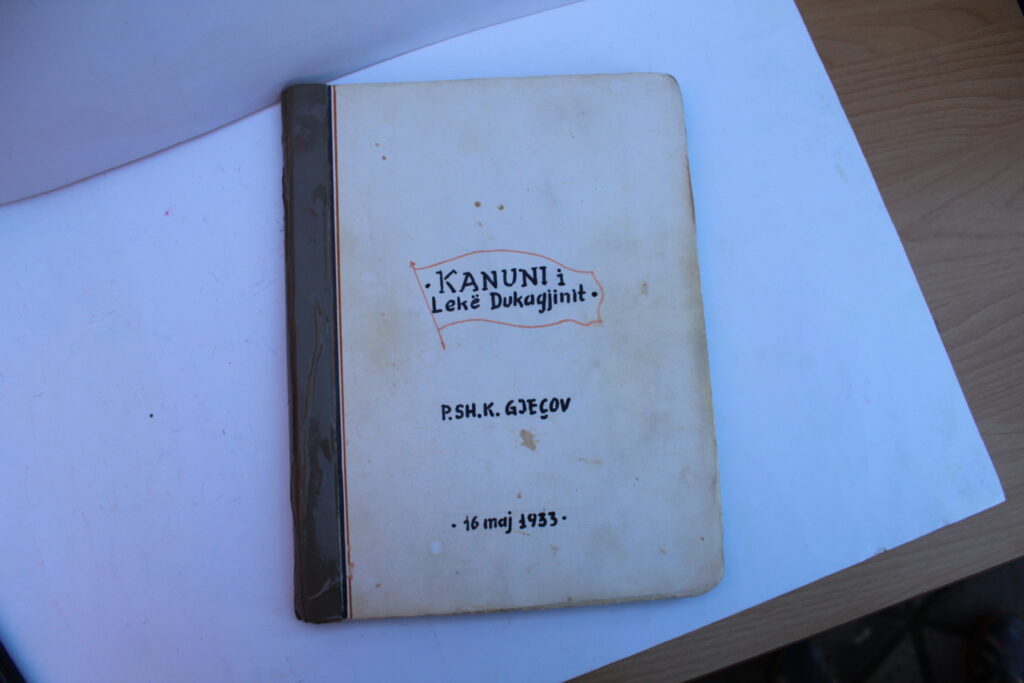
When a teenager in Mirditë carried an original 1933 copy of the Kanuni i Lekë Dukagjinit into a community exhibition last autumn, it was not just a family keepsake on display — it was a document that had been hidden for decades. During Albania’s communist period, possession of the customary law code was banned. The family had kept it a secret. Now, it sat on a table in a village hall, handled by young hands. That moment captures something of what the “Mobile museum” project is trying to achieve: making cultural heritage accessible to communities that rarely encounter it, through the people who have been quietly carrying it all along.
Reaching communities the museum cannot
The National Historical Museum is currently closed for renovation. In its absence, the project is bringing museum-quality engagement directly to six underserved municipalities: Pukë, Kukës, Mirditë, Lushnjë, Dimal and Roskovec. The approach combines institutional and community-based heritage work: the National Historical Museum contributes curatorial expertise and adapted museum content, while young people and local communities contribute family objects, memories, and stories. Rather than simply transferring an exhibition from Tirana to the regions, the project creates a dialogue between national heritage and local memory, positioning young people as active interpreters and co-creators of the museum experience. During the open days the project organised dual exhibitions: (1) Printed panels with objects from the National Historical Museum considering that during closure they are now inaccessible; (2) Exhibition with the family objects that the youngsters were bringing.
Teachers, local museums, cultural offices, and education directorates have all been drawn into preparation. In the September–October 2025 orientation phase, 63 local actors participated in preparatory meetings across five municipalities. Teachers were equipped to guide students in identifying and documenting objects from their own homes, each carrying a family story worth preserving.
Strong institutional buy-in has been achieved, and early community response indicates high interest and trustm particularly significant given the general scepticism toward civil society organisations in rural Albania.
Open Day in Mirditë
The project’s first Open Day, held in Mirditë, set a high bar. Over 100 community members attended, including the Mayor of Rrëshen. Young people brought more than 60 heritage objects: tools, textiles, documents, and personal items, each accompanied by the story of the family it came from.The local museum was so moved by what it saw that it committed to launching a region-wide call for additional heritage objects, extending the project’s reach well beyond its original scope.
The project helped young people understand that history does not only live in museums, but sometimes it lives in a drawer at home, waiting to be found.