
As Europe’s population ages and the number of people living with dementia continues to grow, cultural institutions face a pressing question: how can they remain meaningful, welcoming spaces for everyone? A new project led by Alzheimer Bulgaria Association is developing practical answers to that question — and showing how museums can become genuine partners in inclusive social life.
The project, implemented in partnership with the Regional Ethnographic Open Air Museum “Etar” in Gabrovo — a member of the Balkan Museum Network — builds on the association’s longstanding commitment to improving access to cultural life for people with dementia in Bulgaria. Its central goal is to develop replicable, practical models for working with this audience in a museum setting, and to support cultural institutions in creating more accessible and sensitive programmes.
Building Knowledge Among Museum Professionals
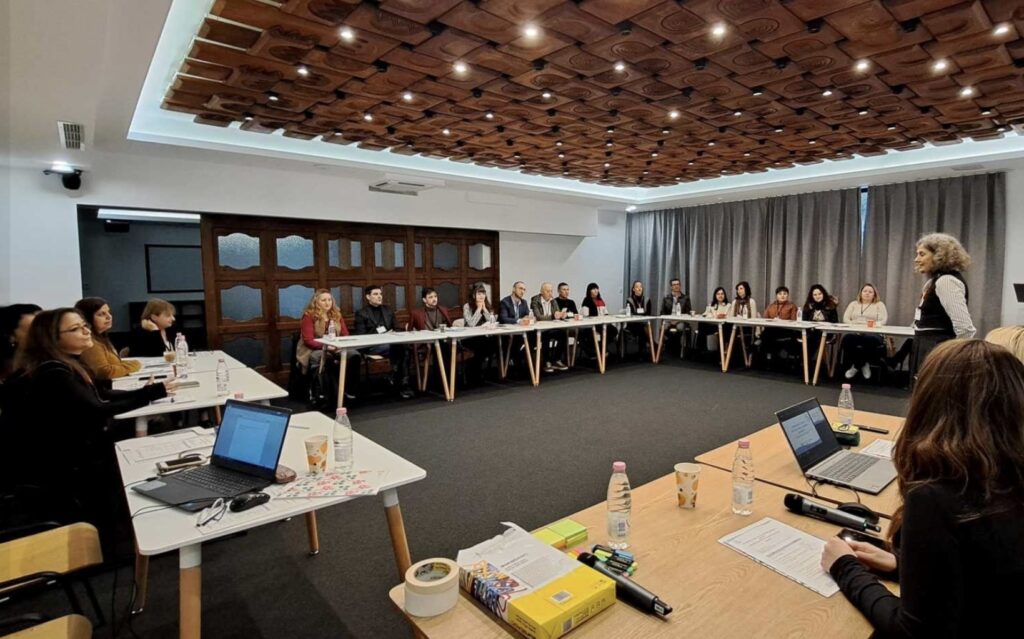
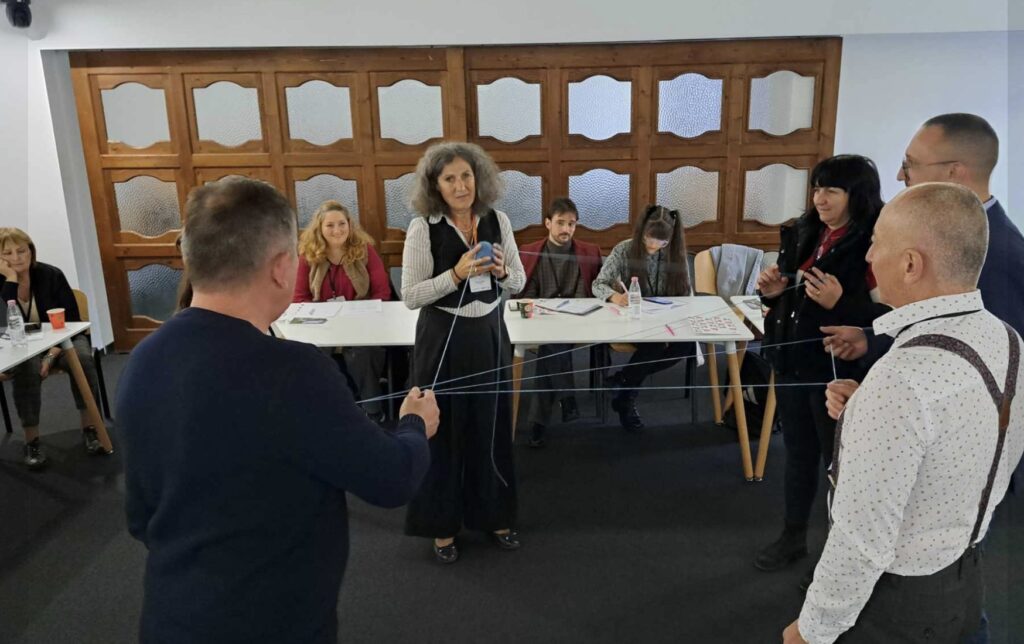
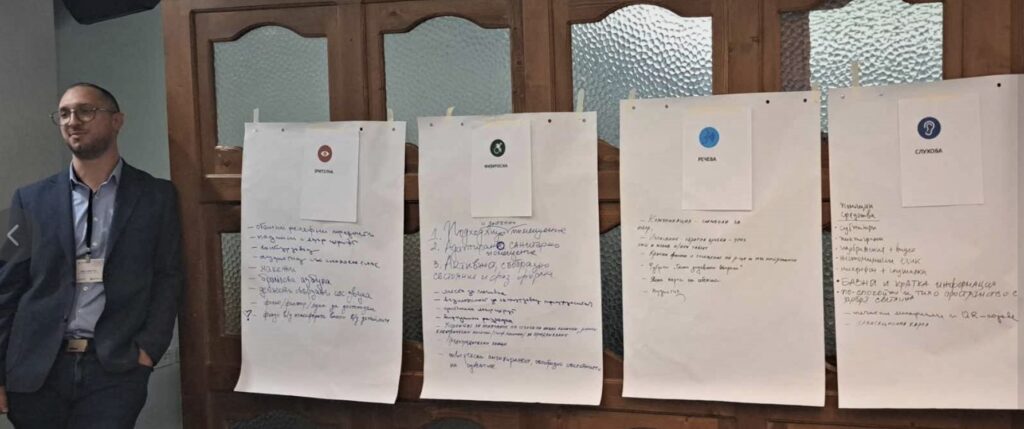
A cornerstone of the project is a specialised training programme for museum professionals. Experts from cultural institutions in Gabrovo and the wider region have taken part in sessions covering the fundamentals of dementia, effective communication with people experiencing cognitive difficulties, non-pharmacological approaches to support, and international best practices for working with visitors living with dementia. The training combines theoretical grounding with practical tasks focused on accessibility and understanding visitors’ needs.
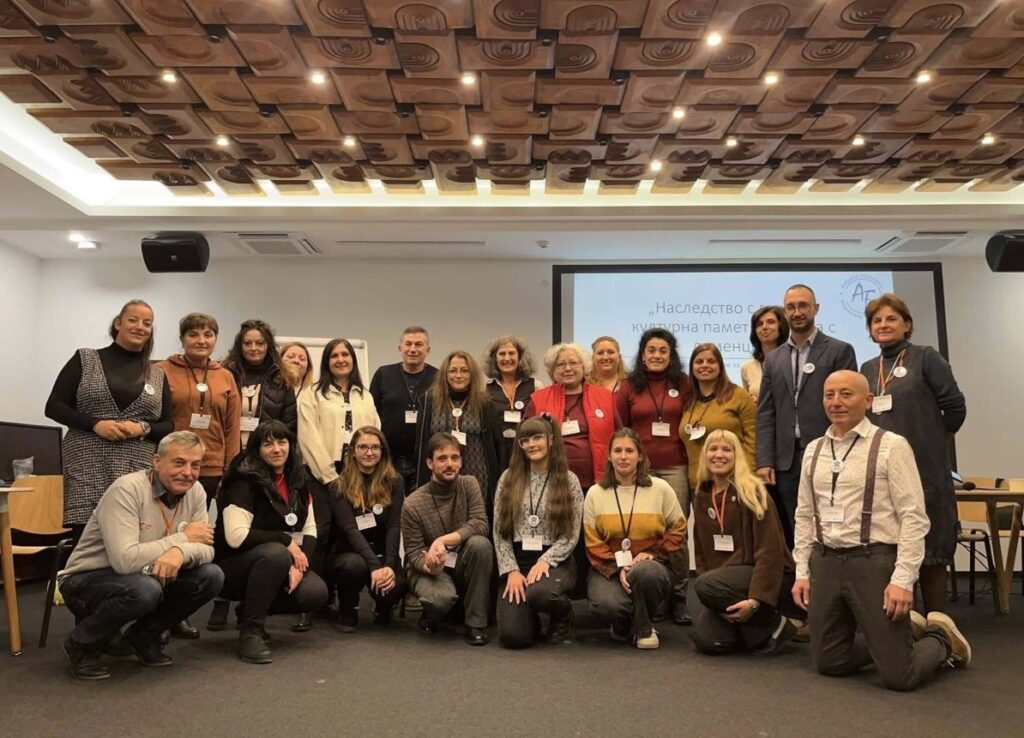
To date, 24 museum professionals have completed the training — a significant contribution to the professional competencies of cultural workers in the region, and a step toward embedding inclusive thinking within institutional practice rather than treating it as an occasional add-on.
Pilot Formats: Engaging the Senses and the Memory
Alongside the training, the project will develop pilot museum formats specifically tailored for visitors with dementia. These include creative activities and guided thematic walks through the museum environment, designed to stimulate the senses, activate personal memories, and encourage social interaction among participants. The open-air setting of Museum “Etar” — with its authentic crafts, architecture, and living heritage — offers a particularly rich and evocative environment for this kind of engagement.
The development of these formats began with a working meeting between project partners to map the museum’s spaces, identify opportunities for adaptation, and align the programme with the specific needs of the target audience. The result is a set of activities that bring together heritage interpretation and person-centred care in a practical, transferable way.
Resources to Spread the Practice
To help other institutions adopt similar approaches, the project is producing a digital manual with practical guidelines and best practices for working with people with dementia in a museum context. The manual is designed to be directly usable by museum teams without specialist dementia expertise, lowering the barrier for institutions that want to move toward greater inclusion.
The project is also developing a visual symbol — “Dementia’s Friends” — which cultural institutions can display to signal that they apply principles of accessibility and inclusion in their work with visitors with dementia. This kind of visible recognition plays an important role in building public trust and encouraging people with dementia and their families to engage with cultural spaces they might otherwise feel uncertain about approaching.
A Model for Civil Society and Cultural Institutions Working Together
Beyond its direct outputs, the project is significant as a model of collaboration. The partnership between a civil society organisation focused on dementia care and a regional ethnographic museum demonstrates how institutions with different missions can combine their expertise to address shared challenges. Media coverage and social media outreach have extended the project’s reach beyond its immediate participants, sparking broader public discussion about the accessibility of cultural heritage.
The next steps will see the pilot formats tested directly with people living with dementia, the online manual published, and the “Dementia’s Friends” symbol officially introduced. Together, these tools are intended to serve not only Museum “Etar” but the wider cultural sector — giving museums across Bulgaria and the region the resources they need to open their doors more fully to people with dementia.
The project is supported by the Headley Southeast European Cultural Heritage (HSEECH) Fund.